If you are choosing what to track first for weight loss, start with protein, then add fiber. Protein helps protect lean mass and supports fullness. Fiber improves meal volume, digestion, and satiety. Together, they make a calorie deficit easier to repeat.
Fiber vs Protein: Quick Comparison
| Goal | Protein helps with | Fiber helps with |
|---|---|---|
| Fullness | Meal satisfaction and appetite control | Volume and slower digestion |
| Body composition | Lean-mass support | Indirect support through better food quality |
| Gut health | Less direct role | Regularity and microbiome support |
| Tracking ease | Simple target per meal | Best increased gradually |
Why Start With Protein?
Protein is a simple anchor. If each meal has a clear protein source, the rest of the plate becomes easier to build. Many people find that protein at breakfast and lunch reduces random snacking later.
Why Add Fiber Next?
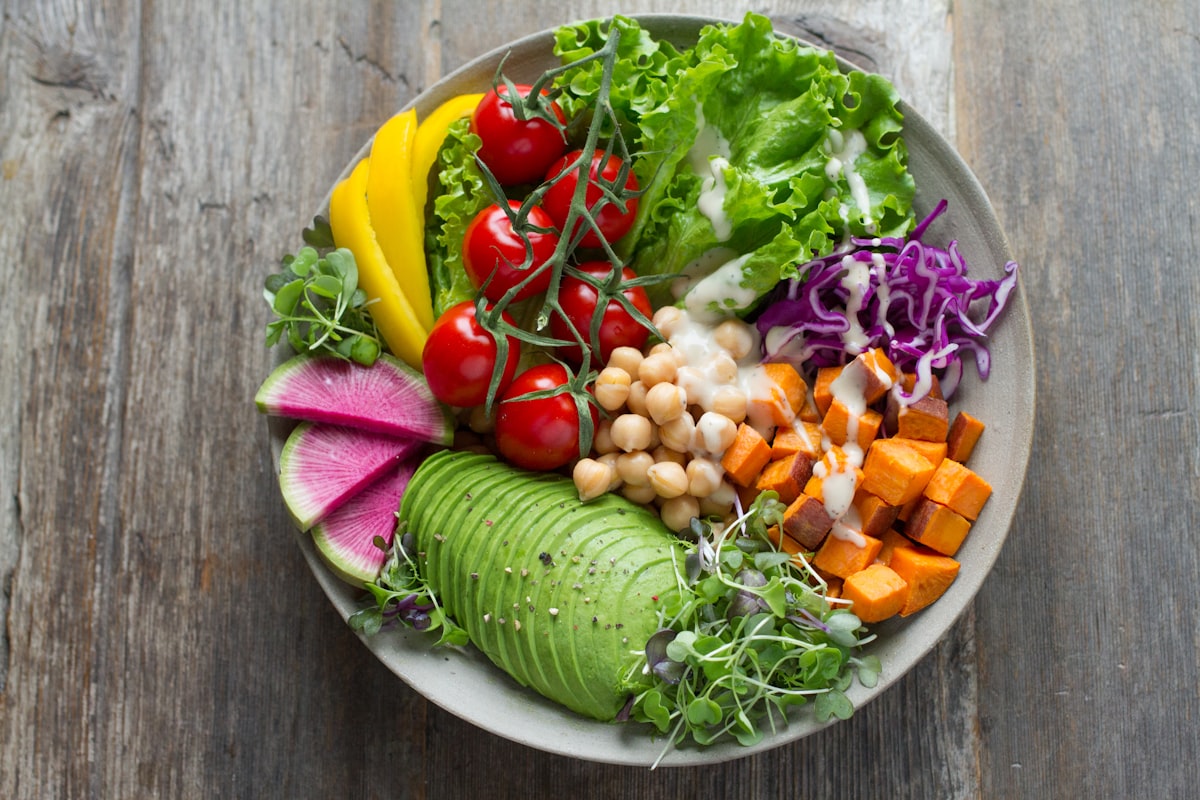
Fiber is the second lever because it improves fullness without needing a large calorie increase. Add it slowly through whole foods: vegetables, fruit, beans, lentils, oats, nuts, seeds, and whole grains.
Easy High-Protein, High-Fiber Meal Ideas
- Greek yogurt with berries and chia.
- Chicken bowl with beans, salsa, and vegetables.
- Tofu stir-fry with brown rice and broccoli.
- Lentil soup with a side of cottage cheese.
- Egg scramble with vegetables and whole-grain toast.
Final Takeaway
Do not turn protein and fiber into a contest. Track protein first for structure, add fiber for fullness and food quality, then use calories to keep the overall plan aligned with your goal.
Sources: FDA Daily Values, Dietary Guidelines for Americans.